The Bad Shoes Blues
Foot pain, persistent blisters, and aching arches aren’t normal, and they won’t just vanish on their own. In fact, when your shoes are the source of these problems, they only get worse over time! In the following guide, Foot & Ankle Center of Ohio will help you spot signs that your shoes are causing problems, then offer “Do’s and Don’ts” for choosing the perfect pair. Let’s get to it!
Are Your Shoes the Problem?
Is your footwear harming your feet? Watch for these signs:
- Targeted Pain: Consistent pain in specific spots (toes, ball of foot, heel) only when wearing certain shoes.
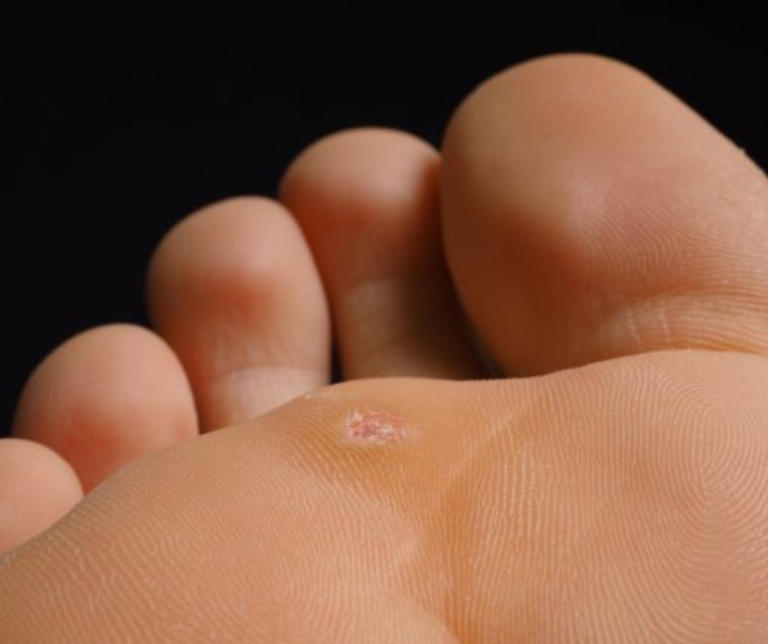
- Skin Issues: Blisters, corns, or calluses forming where shoes rub or are too tight – your skin’s cry for help!
- Numbness/Tingling: Shoes that are too tight can compress nerves.
- Worsened Conditions: Existing issues like bunions, hammertoes, or plantar fasciitis feel much worse after wearing particular shoes.
- Pressure Marks: Red marks or indentations on your feet after removing shoes.
Footwear Do’s & Don’ts
Smarter shoe choices are a big step towards healthier feet.
DO:
- DO Get Measured Regularly: Foot size and shape change. Get measured (length and width) annually.
- DO Shop Later in the Day: Feet swell; shop in the afternoon/evening for a truer fit.
- DO Allow Wiggle Room: Ensure a thumb’s width between your longest toe and the shoe’s end. The toe box should be wide enough for toes to lie flat.
- DO Choose Activity-Appropriate Shoes: Don’t wear running shoes for court sports or flimsy flats for extensive walking.
- DO Look for Support & Cushioning: Good arch support and cushioning are key, especially if you’re on your feet often.
DON’T:
- DON’T Assume Your Size is Constant: Sizes vary by brand and style. Always try on shoes!
- DON’T Buy Tight Shoes (Hoping They’ll Stretch): They should be comfortable from the start.
- DON’T Overdo High Heels or Pointed Toes: These pressure the forefoot and can contribute to bunions, hammertoes, and nerve pain. Save them for limited occasions.
- DON’T Ignore Worn-Out Shoes: They lose cushioning and support. Replace athletic shoes based on wear and mileage.
A Special Note for Individuals with Diabetes
Proper footwear is particularly important if you have diabetes.
Nerve damage (neuropathy) can reduce your ability to feel irritation from shoes, meaning minor issues can quickly become serious ulcers or infections.
To address this:
- Always wear well-fitting, protective shoes.
- Inspect feet and shoes daily for foreign objects or rough spots.
- Consider professionally fitted diabetic shoes and inserts, designed to reduce pressure points.
When the foot pain persists despite changing your shoes, it’s time to see a podiatrist! For trusted podiatric experts, choose Foot & Ankle Center of Ohio! With advanced techniques, proven skills, and a stress-free environment, our team can resolve your foot and ankle problems and help you return to living your best life. Step past pain and schedule your appointment today.