How to Exercise Safely with Diabetes
Trying to stay active but worried about how physical activitymight affect your feet?
When you are managing diabetes, regular exercise is essential, but it requires extra precautions. At Foot & Ankle Center of Ohio, we’ve helped plenty of patients navigate this exact challenge safely, so in the guide below, we’ll explain how the disease impacts your feet, why extra care is needed, and how it typically affects your daily routine.
What’s the Connection, anyway?
Staying active is one of the best ways to manage your blood sugar, but diabetes fundamentally changes how your feet handle the physical stress of a workout.
- It occurs because elevated blood sugar levels can damage the delicate nerves and blood vessels in your lower extremities.
- This condition typically affects your sensation and circulation, making your feet highly vulnerable to unnoticed injuries during physical activity.
- Like many diabetic complications, foot issues are progressive, meaning a minor blister from a walking shoe can worsen gradually and become a dangerous ulcer over time unless properly managed.
While many factors can make exercising difficult, they’re often connected to:
- Nerve Damage: Underlying issues like peripheral neuropathy, a common neurological condition, reduce your ability to feel pain. This constant numbness means a pebble in your shoe or a friction blister from walking can go completely unnoticed until it becomes infected.
- Poor Circulation: Diabetes restricts the blood flow to your feet (Peripheral Vascular Disease). When you are exercising or managing daily tasks, this lack of circulation means your tissues aren’t getting the oxygen they need to recover from the stress of movement.
- Slow Healing: Because of compromised blood flow and nerve damage, even a tiny scrape or cut from a workout can escalate into a severe sore that requires specialized wound care instead of healing naturally on its own.
How Diabetes Affects Your Daily Activity (The Symptoms)
Living an active lifestyle with diabetes often means dealing with:
- Numbness and Tingling: A loss of feeling or a “pins and needles” sensation in your feet when walking, running, or working out.
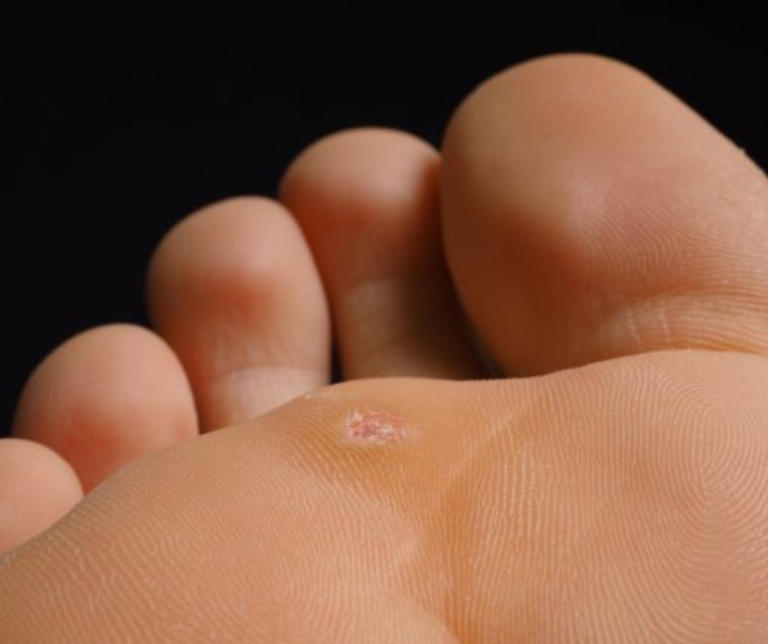
- Hidden Wounds: Blisters, cuts, or calluses that develop directly on pressure points during exercise without you ever feeling them.
- Stiffness and Swelling: Restricted movement or swelling in the feet and ankles after performing routine daily tasks or cardio.
- Skin and Temperature Changes: Dry, cracking skin or noticeable temperature changes in your feet due to impaired blood flow and sweat gland dysfunction.
Effective strategies exist to manage these risks and prevent minor issues from turning into major complications. From daily foot inspections to proper athletic footwear, diabetic shoe inserts, and understanding the power of nutrition, there are ways to stay active safely and find lasting relief.
For trusted podiatric experts, choose Foot & Ankle Center of Ohio! With advanced techniques, proven skills, and a stress-free environment, our team can resolve your foot and ankle problems and help you return to living your best life. Step past pain and schedule your appointment today.