Gout in Your Big Toe? Avoid The One Holiday Food That Puts You at Risk
The holidays are a time for indulgence, but for some, the festive feast can carry a hidden danger: gout.
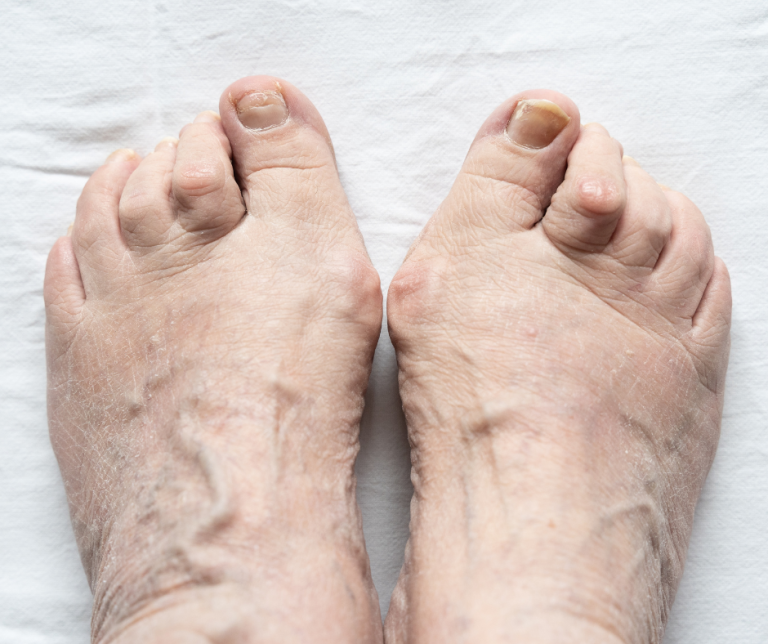
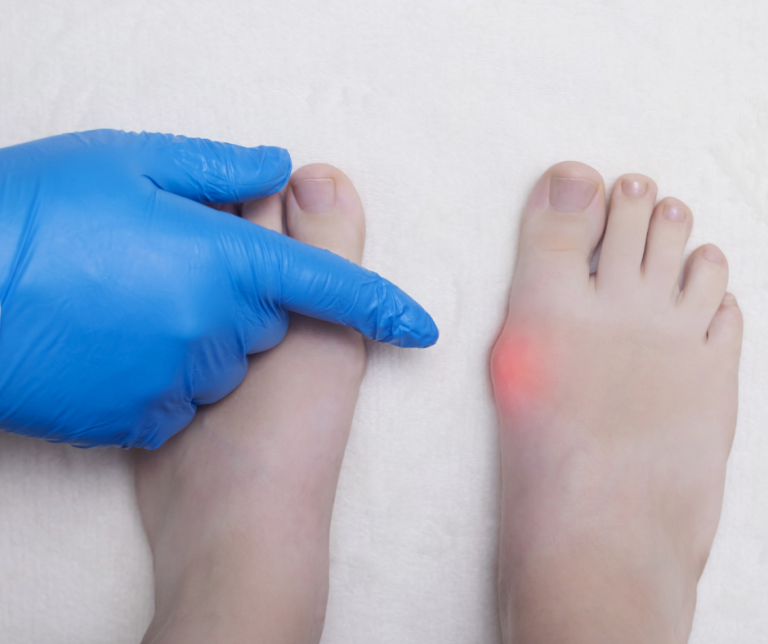
If you’ve ever had a gout flare-up, you know the symptoms: it’s an agonizing, sudden pain, often focused in the joint of the big toe. The pain is so intense that even the weight of a bedsheet can be unbearable.
The holidays—with their rich, heavy foods and celebratory drinks—are prime time for a painful flare-up. In this blog, the Foot & Ankle Center of Ohio will help you learn more about the connection between your Thanksgiving plate and that throbbing toe, then cover what you can do to prevent attacks altogether.
What Causes a Gout Attack? (The Uric Acid Connection)
Gout is a form of arthritis that, while primarily hereditary, is aggravated by an excess of uric acid in the bloodstream.
- Uric acid is a waste product formed when your body breaks down compounds called purines.
- When there is too much uric acid, it crystallizes. These tiny, needle-sharp crystals accumulate in the joints (most commonly the big toe), causing intense inflammation and excruciating pain.
- The critical link? Your holiday menu is packed with high-purine foods.
The Holiday Foods That Trigger Gout
You can enjoy your dinner, but when managing a chronic condition, moderation is key. Be especially mindful of:
- Gravy and Rich Sauces: Often made from meat drippings and rich stocks, these are highly concentrated sources of purines.
- Dark Meats: While turkey is generally okay, dark turkey meat (like the legs) has a higher purine content than the white breast meat.
- Shellfish: If shrimp or other shellfish are on the appetizer table, be cautious.
- Alcohol (Especially Beer): Beer is notoriously high in purines, and alcohol consumption interferes with your body’s ability to flush uric acid, making it the perfect trigger.
Immediate Action: How to Treat a Flare-Up at Home
If you feel the tell-tale throbbing starting, act immediately:
- Hydrate: Drink water constantly. Your goal: flushing uric acid crystals from your system.
- Medication: If you have prescription gout medication (like colchicine or allopurinol), take it as directed by your physician at the first sign of a flare. Do not rely solely on ibuprofen or NSAIDs.
- Elevate: Keep the affected foot elevated and apply ice (wrapped in a cloth) to reduce swelling. Do everything possible to keep pressure off the joint.
A Podiatrist’s Role
Don’t spend the holidays immobilized by pain. While gout starts with a diet, it’s a foot condition that requires specialized medical management.
If you have a history of gout, or if you suspect your sudden big toe pain is an attack, schedule an appointment immediately. We can confirm the diagnosis, prescribe the necessary medication to break the cycle, and help you create a long-term management plan that keeps your holidays happy and pain-free.
For trusted podiatric experts, choose Foot & Ankle Center of Ohio! With advanced techniques, proven skills, and a stress-free environment, our team can resolve your foot and ankle problems and help you return to living your best life. Step past pain and schedule your appointment today.