How to Stop Achilles Pain from Pickleball Before the Tendon Snaps
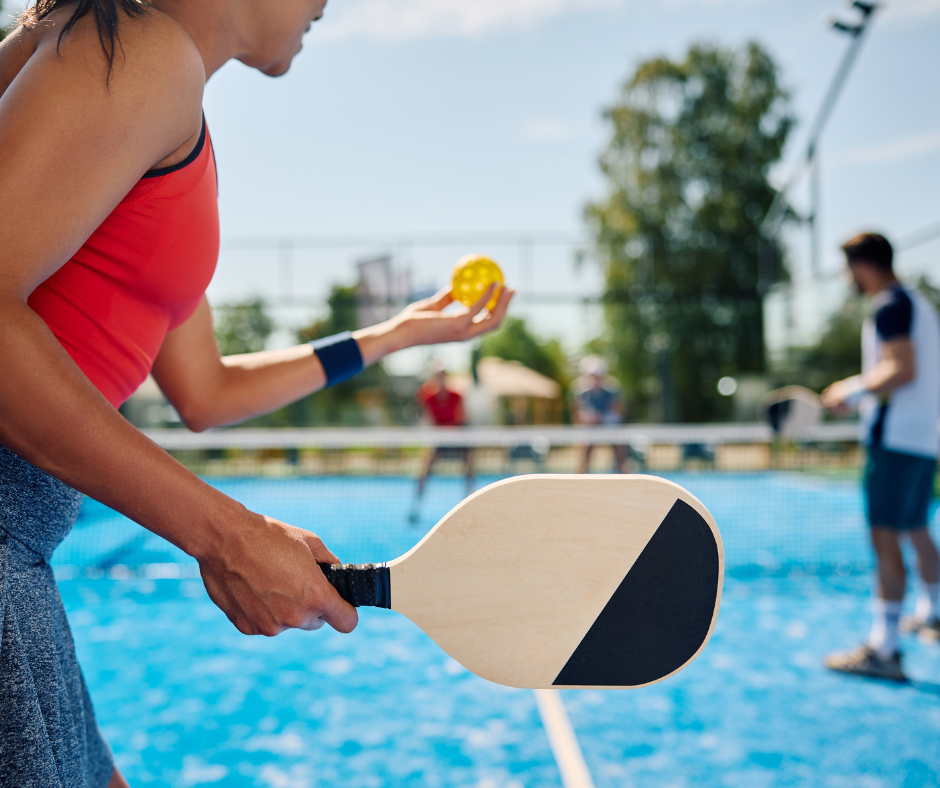
Pickleball and tennis are the ultimate spring and summer sports, offering a fantastic cardiovascular workout and great social interaction. In our area, enthusiasm is at an all-time high thanks to incredible facilities like the Aspen Racquet Club. The local community features endless organized leagues, clinics, and highly active social groups, such as the Wooster Pickleball Club Facebook group, which serves as a central hub for finding games all season long.
But there’s no such thing as a free lunch!
Every spring, the Foot & Ankle Center of Ohio sees a massive spike in athletes limping in with severe heel pain. They usually assume they just pulled a muscle, but the reality is much more dangerous. If your heel hurts after playing pickleball, you are likely dealing with Achilles tendonitis. And we can help.
Keep reading to learn why outdoor court sports harm your tendons, how to tell if you are seriously injured, and the advanced treatments that will get you back in the game fast.
The Hardcourt Hazard
Outdoor tennis and pickleball courts are usually constructed over solid concrete or asphalt. These surfaces offer absolutely zero shock absorption.
- When you make an aggressive lateral lunge to return a serve, your foot stops instantly, but the kinetic energy travels straight up your leg.
- Your Achilles tendon is the thickest tendon in your body, and it acts as your primary shock absorber.
- When you subject it to sudden, explosive stops on a hard surface, the tissue sustains microscopic tears.
Muscle Soreness vs. Tendonitis
Many weekend warriors try to push through the discomfort, believing they just need to stretch out a tight calf muscle. You must learn to distinguish between normal muscle fatigue and a failing tendon.
- Normal muscle soreness covers a broad area of the calf and generally fades after a single day of rest.
Tendonitis is distinctly different. It features pinpoint tenderness directly on the thick cord above your heel.
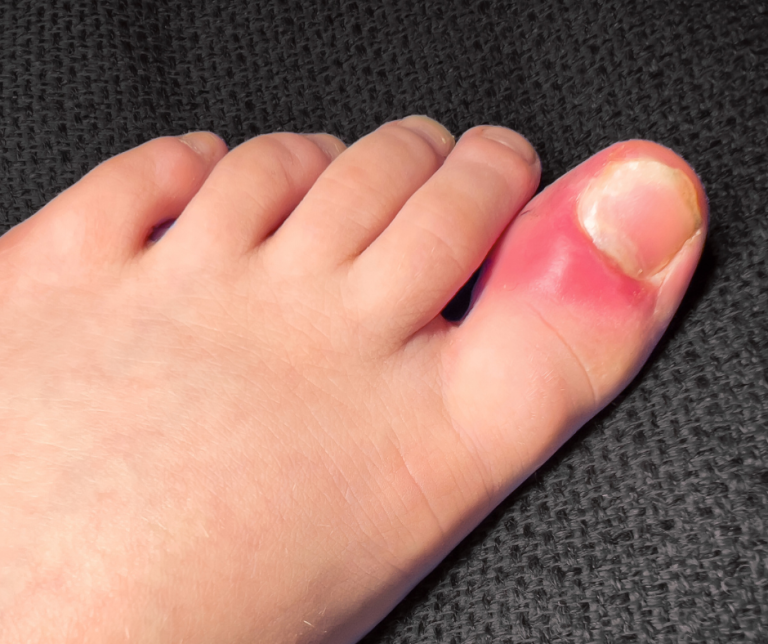
- The pain is usually sharpest during your first steps out of bed in the morning, and the tendon itself may look visibly swollen or feel incredibly stiff.
- Experiencing sharp Achilles pain after tennis or pickleball is a structural warning sign you cannot ignore.
The Danger of the Snap
Ignoring an inflamed Achilles is a massive gamble.
- Tendons have notoriously poor blood supply, meaning they heal incredibly slowly.
- If you continue to play heavy matches on an inflamed tendon, the collagen fibers begin to degenerate and fray.
- This constant weakening increases your risk of a complete Achilles rupture.
A ruptured tendon often sounds like a loud snap and requires immediate surgery, followed by months of grueling rehabilitation.
Advanced Non-Surgical Recovery
You do not have to sit out the entire spring season.
As your local sports medicine podiatrist, we focus on accelerating your natural healing process so you can avoid surgery and return to the court safely.
If ice and rest are failing to cure your heel pain, we utilize advanced regenerative technologies. Treatments like Extracorporeal Shockwave Therapy deliver targeted energy deep into the damaged tissue. This stimulates massive blood flow and forces the body to repair the micro-tears at the cellular level.
For trusted podiatric experts, choose Foot & Ankle Center of Ohio! With advanced techniques, proven skills, and a stress-free environment, our team can resolve your foot and ankle problems and help you return to living your best life. Step past pain and schedule your appointment today.