The “Super Shoe” Paradox: Why High-Tech Gear Won’t Fix Poor Mechanics
Running is experiencing a massive boom. From “Run Clubs” taking over social media to the explosion of high-tech “Super Shoes” (carbon-plated racers), everyone seems to be lacing up. But with this surge in mileage comes a rise in injuries.
At the Foot & Ankle Center of Ohio, we see a specific pattern: enthusiastic runners who buy the most expensive gear but ignore their biomechanics. They assume the shoe will fix their stride.
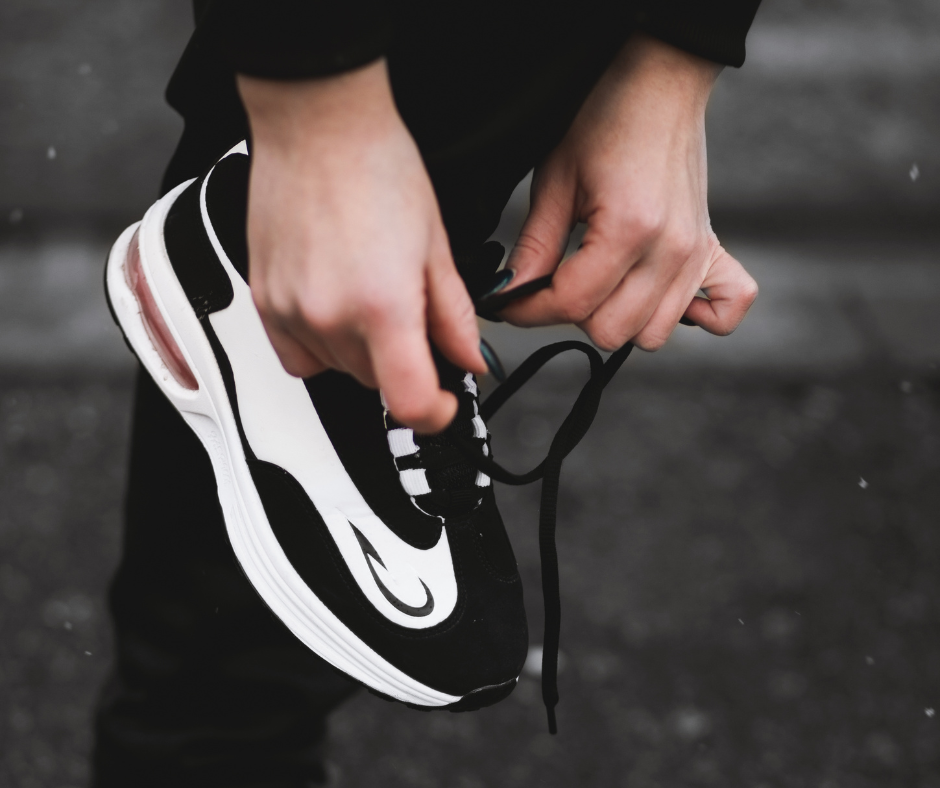
The reality? A $250 shoe cannot correct a structural flaw. In fact, sometimes the extra spring and stiffness of a carbon-plated shoe can increase the strain on your calves and Achilles if your body isn’t ready for it. In this blog, Foot & Ankle Center of Ohio helps you navigate the running world…without ending up in a boot.
The “Big 3” Running Injuries (And Why They Happen)
Running is a high-impact sport. With every stride, your body absorbs 2.5 to 3 times your body weight. If your mechanics are off, that force goes to the wrong place.
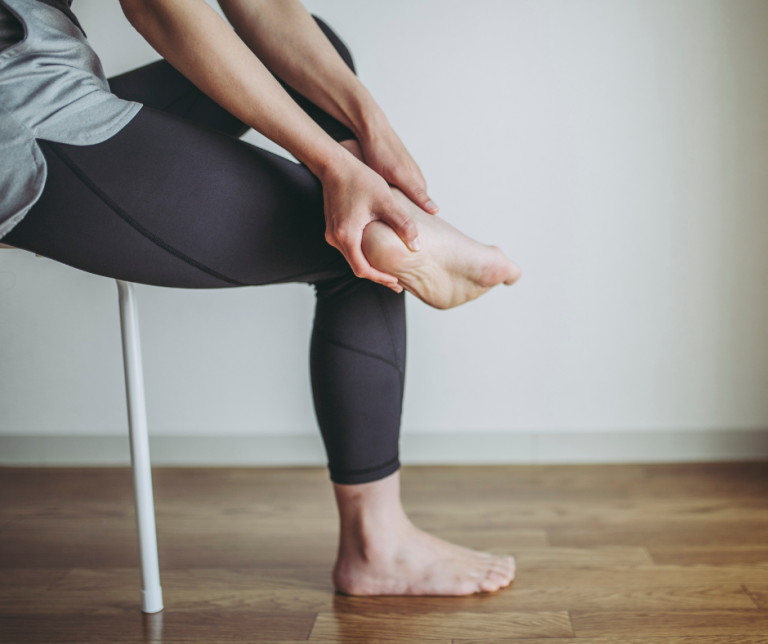
1. Plantar Fasciitis (The Morning Sting)
- The Trend: “Zero Drop” or minimalist shoes.
- The Reality: While natural movement is great, switching to flat shoes too quickly can shock your arch. If you overpronate (roll inward), the plantar fascia stretches to its breaking point.
- The Fix: You likely need a stability shoe or custom orthotics to support the arch while you build strength.
2. Shin Splints (Medial Tibial Stress Syndrome)
- The Trend: The “Couch to 5K” sprint.
- The Reality: This is the classic “Too Much, Too Soon” injury. It’s an inflammation of the muscle attachment to the shin bone. It happens when you increase mileage by more than 10% a week.
- The Fix: Rest is non-negotiable. Pushing through shin splints is the fastest way to get a stress fracture.
3. Achilles Tendonitis
- The Trend: Hill repeats and “12-3-30” treadmill workouts.
- The Reality: Steep inclines put massive tension on the Achilles. If your calves are tight, the tendon takes the hit.
- The Fix: Dynamic warm-ups are essential. Never stretch a cold tendon; warm it up with walking or leg swings first.
The “Runner’s Checklist” for Prevention
You don’t have to stop running. You just need to run smarter.
- Respect the 10% Rule: Never increase your weekly mileage by more than 10%. Let your bones remodel and harden to handle the stress.
- Get a Gait Analysis: Don’t guess at your shoe type. We can analyze if you are a neutral runner, an overpronator, or a supinator. Wearing the wrong category of shoe (e.g., a neutral shoe for a flat foot) is a recipe for injury.
- Rotate Your Shoes: Don’t wear the same pair every day. The foam needs 24-48 hours to decompress and bounce back. Rotating pairs prolongs their life and protects your joints.
- Listen to “Bad Pain”: Muscle soreness eases up as you move. Injury pain (sharp, shooting, or localized to one spot) gets worse. If you limp, stop.
When to See a Podiatrist
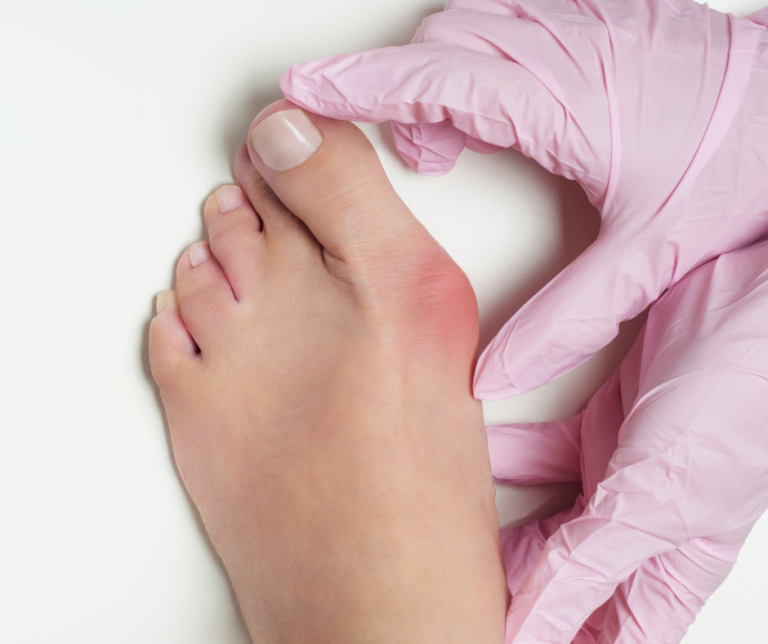
If you have pain that alters your stride, lasts more than three days, or causes swelling, it is time for a professional evaluation. We use advanced imaging to rule out stress fractures and can design a recovery plan that keeps you active while you heal.
Don’t let an injury sideline your season. Schedule your running evaluation today.
For trusted podiatric experts, choose Foot & Ankle Center of Ohio! With advanced techniques, proven skills, and a stress-free environment, our team can resolve your foot and ankle problems and help you return to living your best life. Step past pain and schedule your appointment today.