How Retail Workers Can Prevent Foot Pain During the Holidays
In just a few weeks, Black Friday will kick off the holiday rush, meaning longer shifts, back-to-back schedules, and hours standing on rigid concrete and tile floors. If your feet are already aching after an eight-hour shift, they are not going to do well with a twelve-hour holiday double.
Now is the time to start prepping your feet, knees, and back for the incoming physical stress. By making a few strategic adjustments to your footwear and recovery routine today, you can prevent minor foot fatigue from turning into a season-long injury. Foot & Ankle Center of Ohio explains in the following blog.
Why Standing on Concrete All Day Hurts Your Feet
Human feet are not designed to bear weight on unyielding industrial surfaces for twelve hours straight. When you stand in one place behind a cash register or pace the sales floor, gravity and pressure take a severe toll on your lower body:
- Midsole Compression: The foam cushioning in your shoes completely flattens out, leaving you standing essentially barefoot on hard concrete.
- Arch Strain: Your natural arch flattens out under the constant weight, placing serious, continuous tension on the plantar fascia ligament.
- Blood Pooling: Gravity pulls blood down into your lower legs, and without the natural “pumping” action of walking, it pools in your calves, causing painful swelling and throbbing.
3 Ways to Prep Your Feet for Long Shifts
With a few quick tweaks to your routine, you can manage this issue.
1. Build a Two-Shoe Rotation
Most retail workers have one pair of “work shoes” they wear for every single shift. This is the fastest way to break down your footwear and injure your feet. The foam inside your shoe needs 24 to 48 hours to fully decompress after a long shift.
- The Solution: Alternate between two solid, supportive pairs of work shoes so that each pair has a full day to recover.
- What to Avoid: Be cautious of highly marketed, ultra-soft shoes; often, your feet are still hurting in expensive cloud sneakers because they provide too much mushy cushioning and zero structural support
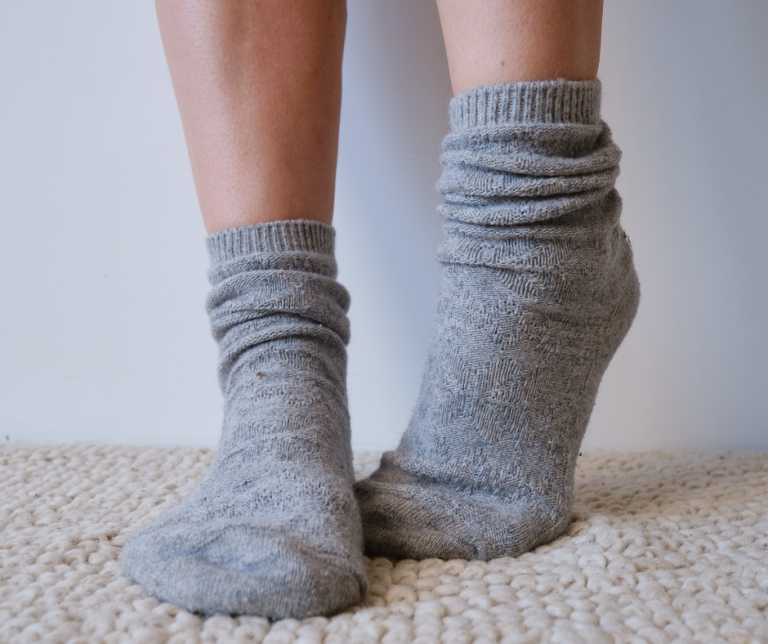
2. Upgrade to Graduated Compression Socks
If you finish your shift with heavy, swollen, and throbbing legs, your veins are struggling to push blood back up to your heart.
- The Solution: Invest in moderate (15-20 mmHg) graduated compression socks.
- How They Work: They apply the firmest pressure at the ankle and gradually decrease toward the knee, acting as an external pump to keep your blood circulating efficiently.
3. Ditch the Drugstore Insoles
While you might be tempted to grab a pair of gel insoles from the pharmacy aisle to fix your aching arches, these only provide temporary softness, not structural correction. They will quickly bottom out under the stress of retail shifts.
- The Solution: If you are asking yourself, “Do I need custom orthotics?”, the approaching holiday season is the perfect time to find out.
- Why They Work: A custom orthotic is a prescription medical device engineered specifically for your foot’s unique biomechanics. It physically blocks your arch from collapsing, aligning your entire kinetic chain to prevent knee and lower back pain.
Don’t Try to “Tough It Out”
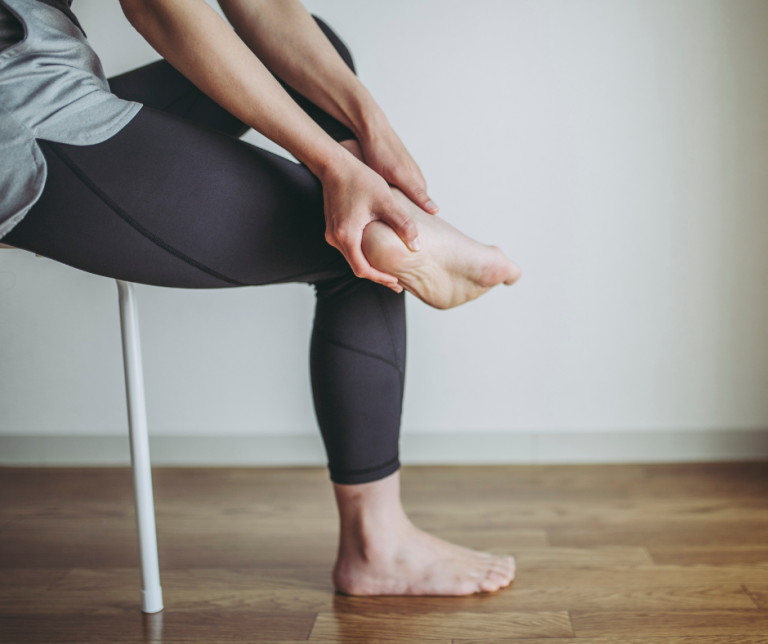
If you are already waking up with sharp heel pain or limping to your car after work, ignoring conditions like plantar fasciitis or Achilles tendonitis will only turn a small tear into a chronic injury. Instead of waiting for the pain to become worse, talk to a podiatrist about advanced recovery options.
For stubborn, lingering pain, try EPAT for fast recovery. It’s a non-invasive shockwave therapy that repairs damaged tissue without requiring you to take any time off work!
For trusted podiatric experts, choose Foot & Ankle Center of Ohio! With advanced techniques, proven skills, and a stress-free environment, our team can resolve your foot and ankle problems and help you return to living your best life. Step past pain and schedule your appointment today.