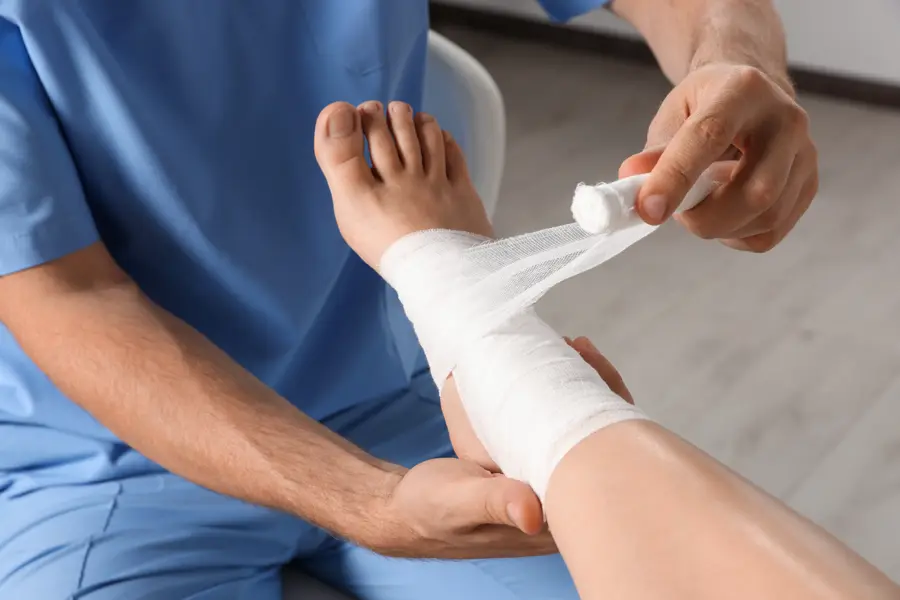
Wound Care

What is Wound Care?

Wound care is the management and treatment of various types of wounds, focusing on promoting healing, preventing infection, and addressing any underlying conditions. It involves cleaning the wound, applying dressings, and using specialized techniques or products to facilitate recovery.

What are Common Causes of Wound Care?

    • Viral Infection
    • Weakened Immune System
    • Poor Foot Hygiene
    • Injury to the Skin
    • Diabetes

What are the Symptoms of Wound Care?

    • Pain
    • Swelling
    • Redness
    • Discharge
    • Warmth

FAQ

Risk factors for developing chronic wounds include poor circulation, diabetes, advanced age, obesity, immobility, a weakened immune system, nutritional deficiencies, and smoking.

Chronic wounds are diagnosed by healthcare professionals through a combination of patient medical history, physical examination, wound assessment, and diagnostic tests. The healthcare provider will evaluate the wound’s size, depth, and appearance, as well as checking for any signs of infection. They may also consider underlying health conditions that could affect wound healing, such as diabetes or vascular diseases. Diagnostic tests might include blood tests, culture swabs to identify infections, and imaging studies like X-rays or MRIs if there is a concern about underlying bone or tissue involvement.

Wound care involves a comprehensive approach to facilitate healing and prevent infection, and several treatment options are available depending on the type and severity of the wound. One of the primary treatments includes cleaning the wound thoroughly to remove any debris or bacteria. Dressings and bandages play a crucial role in protecting the wound and maintaining a moist environment conducive to healing. There are various types of dressings such as hydrogels, alginates, and foam dressings, each suited for different wound types. In some cases, debridement might be necessary to remove dead tissue and promote new growth, which can be done surgically or through methods like autolytic or enzymatic debridement. Advanced treatments include negative pressure wound therapy, which involves a vacuum dressing to promote granulation tissue formation, and the use of growth factors or skin substitutes to encourage repair. Infection control is critical, often necessitating the use of topical or systemic antibiotics. Additionally, patient-specific factors such as nutrition and underlying health conditions are considered to optimize healing. In certain complicated or chronic cases, hyperbaric oxygen therapy, which increases oxygen supply to the tissue, might be recommended. It is crucial to tailor the treatment plan to the individual’s needs, regularly assess the wound’s progress, and make adjustments as necessary to ensure effective wound care management.

If you have a wound on your foot or ankle that is not healing properly, it is important to see a podiatrist. Delayed healing, increased pain, redness, swelling, or any discharge might indicate an infection, which requires professional care. Additionally, if you have underlying health conditions such as diabetes, which can significantly impact the healing process and increase the risk of complications, consulting a podiatrist promptly is crucial. These specialists are trained to manage wounds effectively, helping to prevent further complications such as infections or the need for more invasive treatments. Early intervention by a podiatrist can ensure proper wound care, promote faster healing, and prevent potential long-term damage to your foot and overall health.

To prevent wound complications, especially in the context of foot care and podiatry, it is crucial to adopt a proactive approach that includes several preventive measures. First, maintaining good hygiene by keeping your feet clean and dry is essential, as moisture can promote bacterial growth and lead to infections. Regularly inspect your feet for cuts, blisters, or any signs of irritation, and address these issues promptly. Wearing properly fitting shoes that provide adequate support and cushioning can help prevent friction wounds and pressure sores. Additionally, managing chronic conditions such as diabetes is vital, as they can impair healing and increase the risk of complications. For those with diabetes, it’s important to keep blood sugar levels under control to reduce the risk of wounds and to prevent existing wounds from worsening. Using moisturizing creams to prevent the skin from cracking and drying out, and avoiding smoking, which can impede circulation and healing, are also beneficial preventive steps. Lastly, seeking regular check-ups with a podiatrist can aid in identifying potential issues early and ensuring that existing wounds are managed correctly to avoid complications. Implementing these measures can significantly reduce the risk of wound complications and promote overall foot health.